Arkansas, 3D Layered Tropical: A Practical Guide to CNC and Laser Cutting Projects
The intersection of digital fabrication and traditional woodworking has created a vibrant market for ready-to-use vector designs. Among these resources, the Arkansas, 3D Layered Tropical project stands out as a versatile option for hobbyists, small business owners, and design enthusiasts. This specific project involves creating a three-dimensional wall art piece or decorative panel using layered plywood, cut via computer numerical control (CNC) routers or laser cutters. For those evaluating whether this design fits their workflow, understanding its technical specifications, assembly requirements, and material considerations is essential.
Understanding the Arkansas, 3D Layered Tropical Project
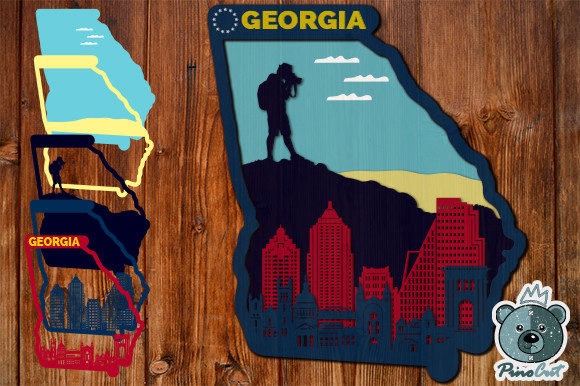
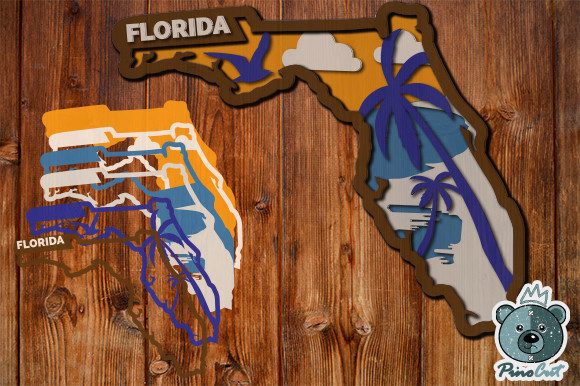
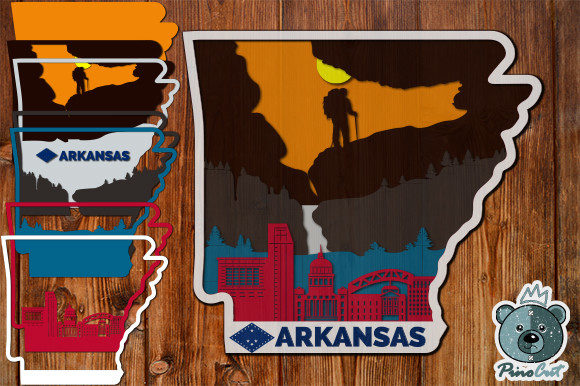
At its core, the Arkansas, 3D Layered Tropical project is a vector-based digital file designed to produce a multi-depth visual effect. Unlike flat two-dimensional cuts, this design utilizes multiple layers of material stacked upon one another to create depth and shadow. The "Tropical" aspect refers to the botanical motifs—such as leaves, ferns, or floral elements—that are typically rendered in organic, flowing lines. The "Arkansas" designation likely refers to the specific artist, studio, or collection name associated with the design, distinguishing it from generic clip art.
The primary value proposition of this project lies in its electronic format. Buyers do not receive a physical product but rather a compressed archive containing the necessary vector files. These files are prepared for immediate use in cutting software, allowing users to bypass the time-consuming process of designing the intricate patterns from scratch. This makes the project particularly appealing to those who want to focus on fabrication and finishing rather than initial graphic design.
Technical Specifications and Workflow
One of the most significant advantages of the Arkansas, 3D Layered Tropical project is its compatibility with modern digital manufacturing tools. The files are provided in standard vector formats suitable for both laser cutting and CNC routing. This dual compatibility broadens the potential user base, accommodating different workshop setups.
- Vector Drawing Format: The design is delivered as clean vector paths. This ensures that lines remain crisp regardless of scale, allowing for precise cutting without pixelation issues common in raster images.
- Cutting Plan: The package includes a drawing-vector cutting plan. This document serves as a guide for nesting parts efficiently on raw sheets of material, minimizing waste and optimizing production time.
- Laser Suitability: The fine details inherent in tropical leaf patterns are often best achieved with laser cutters, which can handle thin kerfs and intricate curves. However, the design is robust enough to be routed by CNC machines for thicker materials or faster production runs.
The workflow is straightforward: download the archived files, open them in your preferred CAM (Computer-Aided Manufacturing) software, adjust the layout if necessary, and send the job to the machine. This simplicity reduces the barrier to entry for beginners while still offering enough flexibility for experienced fabricators to tweak the design.
Material Considerations and Assembly
While the digital file is the starting point, the physical outcome depends heavily on material selection. The project documentation explicitly recommends using 3mm plywood. This thickness strikes a balance between structural integrity and ease of cutting. Thinner materials may lack the rigidity needed for the 3D layering effect, while thicker materials can strain smaller laser cutters or require slower feed rates on CNC routers.
Plywood is chosen for its affordability and consistent layering structure. It provides a warm, natural aesthetic that complements the organic tropical theme. However, wood is not the only option. The project can also be executed using MDF (Medium Density Fiberboard) or even acrylic for a more modern, glossy finish. Each material offers distinct trade-offs:
- Plywood: Economical, lightweight, and easy to paint. It accepts stains well but may show edge grain texture.
- MDF: Offers a smooth surface ideal for painting but is heavier and generates more dust during cutting.
- Acrylic: Provides a vibrant, translucent look but requires specific laser settings and can be more brittle.
Assembly is described as very economical and easy. The layered nature of the design implies that pieces fit together like a puzzle or stack sequentially. There are no complex joinery requirements such as dovetails or mortise-and-tenon joints. Instead, the design relies on the precision of the cut edges to align perfectly. Once assembled, the product can be painted in any color to match interior decor or left natural. Decorative elements, such as mounting hardware or backing frames, can be added post-production to enhance stability and display options.
Evaluating Benefits and Tradeoffs
When deciding whether to pursue the Arkansas, 3D Layered Tropical project, it is important to weigh its benefits against potential limitations.
Benefits
The strongest benefit is cost-efficiency. By purchasing a pre-made vector file, users avoid the high labor costs associated with custom design work. Furthermore, the project is noted as being great for mass production. Because the assembly is simple and the material usage is optimized, units can be produced quickly, making this an attractive option for Etsy sellers, craft fair vendors, or boutique home decor stores.
Another benefit is customization. Although the design is fixed, the ability to modify the layout means users can change the arrangement of layers, scale the image, or combine it with other vector elements. This adaptability allows for unique variations of the same core design.
Tradeoffs and Considerations
Despite its advantages, there are considerations to keep in mind. The reliance on 3mm plywood means the final piece will have a specific weight and dimension profile. If the intended space requires a larger or smaller version, scaling the vector file must be done carefully to ensure that inter-layer gaps remain proportional. If scaled too large, the delicate tropical details might become too fragile; if scaled too small, they may lose visual impact.
Additionally, while the assembly is easy, achieving a professional-grade 3D effect requires patience. Misalignment during stacking can ruin the illusion of depth. Users must ensure their cutting machine is calibrated correctly and that the material sheets are free of warping before beginning production.
Who Is This Project For?
The Arkansas, 3D Layered Tropical project is a strong fit for individuals who own or have access to laser cutters or CNC routers and are looking to expand their product catalog. It is particularly suitable for:
- Hobbyists: Those who enjoy weekend projects and want a rewarding result without spending weeks on design.
- Small Business Owners: Entrepreneurs seeking low-cost, high-margin products that appeal to customers interested in modern, nature-inspired home decor.
- Educators: Makerspaces and schools looking for curriculum-friendly projects that teach both digital design principles and physical fabrication techniques.
Conversely, alternatives may be worth considering for those without digital cutting equipment. In such cases, outsourcing the cutting service is a viable path, though it adds to the per-unit cost. Additionally, if the goal is purely artistic expression without commercial intent, commissioning a custom designer might offer more creative freedom, albeit at a higher price point.
Conclusion
The Arkansas, 3D Layered Tropical project represents a practical solution for bringing digital art into the physical world. Its combination of ready-to-use vector files, clear assembly instructions, and flexible material options makes it accessible to a wide range of users. By choosing 3mm plywood and leveraging efficient cutting plans, creators can produce visually striking, layered artworks that are both aesthetically pleasing and commercially viable. For anyone evaluating their next fabrication project, this design offers a balanced mix of creativity, efficiency, and economic sense.