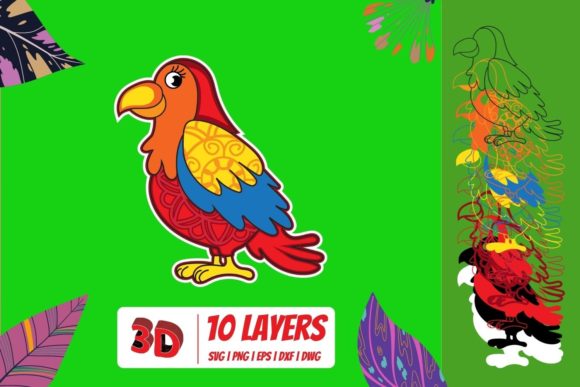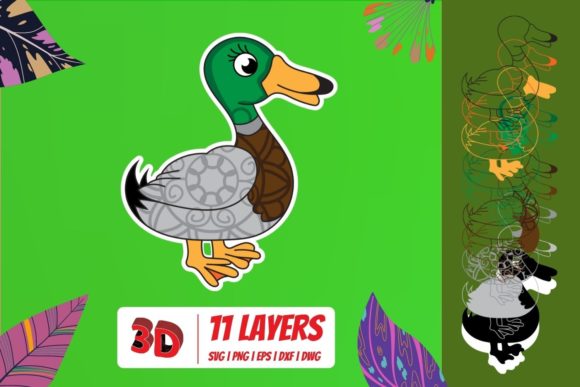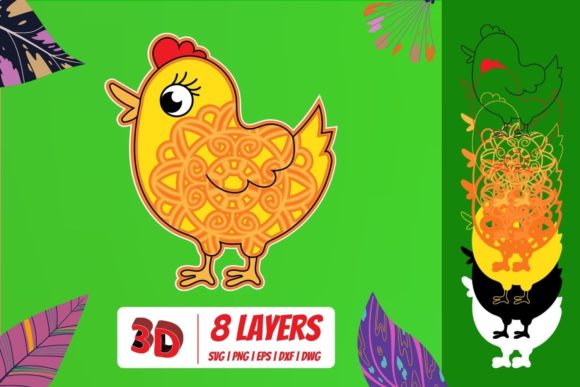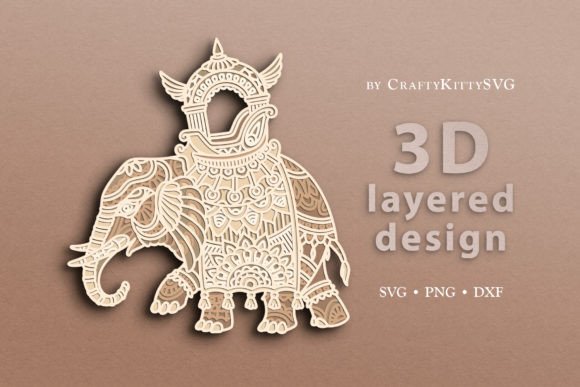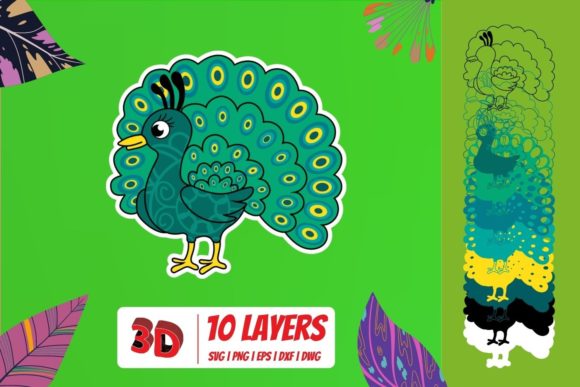
3D Peacock SVG Cut File
In the landscape of digital crafting and small-scale manufacturing, the transition from a conceptual design to a tangible product relies heavily on file integrity and software compatibility. The 3D Peacock SVG Cut File represents a specialized asset designed to bridge this gap, offering creators a high-fidelity vector graphic that simulates depth and dimensionality without requiring complex manual layering techniques. For professionals in vinyl cutting, laser engraving, and 3D printing, as well as hobbyists looking to elevate their DIY projects, understanding how to integrate this specific asset into existing workflows is crucial for efficiency and quality control.
This resource is not merely an image; it is a structured data file containing precise geometric instructions. The "3D" aspect typically refers to layered designs or shadow effects encoded within the vector paths, allowing for visual depth when cut from materials like cardstock, vinyl, or wood veneer. By providing multiple format options within a single zipped folder, the download accommodates various stages of the production pipeline, ensuring that users can move seamlessly from initial design adjustments to final machine execution.
Understanding the Technical Architecture
The value of any digital cut file lies in its versatility across different software ecosystems. The provided package includes SVG, DXF, PNG, and EPS formats, each serving a distinct purpose in the creative workflow. Recognizing which format to use at which stage prevents technical bottlenecks and ensures that the intricate details of the peacock’s plumage are preserved during the transfer process.
Vector Formats: Precision and Editability
SVG (Scalable Vector Graphics) serves as the primary format for modern cutting machines. It is natively supported by Cricut Design Space, Silhouette Designer Edition, Make the Cut (MTC), Sure Cuts A Lot (SCAL), and Brother ScanNCut Canvas. The SVG format allows for non-destructive editing, meaning users can adjust colors, resize elements, or separate layers before sending the job to the cutter. This is particularly important for a 3D design, where separating the background from the foreground elements might be necessary to achieve the desired shadow effect.
DXF (Drawing Exchange Format) acts as a universal standard for vector data. While less common in consumer-grade cutting software than SVG, it is essential for users operating with Silhouette Basic Edition or other legacy systems that may not fully support newer SVG features. Including the DXF file ensures accessibility for a broader range of hardware, maintaining consistency in the output regardless of the software version being used.
EPS (Encapsulated PostScript) files are industry standards for professional graphic design. They are compatible with CorelDraw, Inkscape, and Adobe Illustrator. If a user needs to manipulate the color palette, merge the peacock design with other branding elements, or scale the image up for large-format printing without losing resolution, the EPS file provides the necessary robustness. This format is ideal for pre-production planning, where the design might need to be integrated into a larger layout or modified for specific material constraints.
Raster Formats: Visualization and Reference
The inclusion of a PNG (Portable Network Graphics) file with a transparent background at 300 DPI serves a different function. While raster images cannot be cut directly with precision like vectors, they are invaluable for visualization and reference. High-resolution PNGs allow designers to preview how the 3D peacock will look when placed on various backgrounds or materials before committing to the cutting process. This step is critical for quality control, helping to identify potential issues with contrast or detail visibility that might not be apparent in the wireframe view of vector software.
Workflow Integration and Implementation
Integrating the 3D Peacock SVG Cut File into a project requires a structured approach to ensure that the final physical output matches the digital intent. Whether you are producing custom invitations, decorative wall art, or branded merchandise, following a consistent workflow minimizes errors and maximizes efficiency.
Preparation and File Management
The first step in the process is organizing the downloaded assets. Since the file comes in a zipped folder, extracting all components to a dedicated project directory is recommended. This prevents accidental overwriting and keeps the vector files separate from the raster references. Before opening the file in your chosen software, inspect the layers. In many 3D SVG designs, the depth effect is achieved through overlapping shapes of varying colors. Ensure that these layers are correctly named and grouped. Disorganized layers can lead to misalignment during the cutting phase, resulting in wasted material and time.
Software Selection and Compatibility Checks
Selecting the correct software depends on your equipment and the desired level of customization. For users with Cricut or Silhouette Maker/Portrait machines, importing the SVG directly into the respective companion apps (Design Space or Silhouette Studio) is the most straightforward path. These platforms offer built-in tools to simplify lines and set cut depths, which are essential for multi-layered designs.
For those using professional suites like Adobe Illustrator or CorelDraw, the EPS file is the optimal choice. Here, you can perform advanced edits, such as adjusting the kerning of accompanying text or refining the curves of the peacock’s tail feathers. Once satisfied with the modifications, export the file back to SVG or DXF depending on the requirements of your cutting machine. This intermediate step allows for greater creative control but adds complexity to the workflow.
Material Considerations and Testing
The success of a 3D cut file is heavily dependent on the material properties. Cardstock is the most common choice for paper crafts because it holds creases well, enhancing the 3D effect. However, heavier stocks may require scoring rather than cutting to prevent tearing. Vinyl, while durable, does not hold folds as effectively, so the 3D effect must rely more on color contrast and layering than physical structure.
Before committing to a full production run, always perform a test cut. Use scrap material to verify that the blade depth is appropriate for the thickness of the stock and that the alignment of layers is accurate. This practice is a fundamental aspect of quality control in any manufacturing or crafting workflow. It helps identify issues such as adhesive buildup on the blade or software scaling errors that could compromise the final product.
Strategic Applications and Use Cases
The versatility of the 3D Peacock SVG Cut File allows it to be applied across various domains, from personal hobbies to commercial ventures. Understanding these applications can help users maximize the return on investment for the digital asset.
- Event Planning and Stationery: The elegant nature of the peacock makes it suitable for wedding invitations, anniversary cards, and formal event decorations. The 3D effect adds a premium feel, distinguishing the product from standard flat prints.
- Educational Materials: Educators can use the file to create interactive learning aids. The detailed anatomy of the bird can be used in biology classes to discuss feather structure and avian diversity. The ability to print and cut the file allows for hands-on engagement with the subject matter.
- Small Business Branding: Entrepreneurs can incorporate the design into packaging, labels, or promotional items. The high-quality vector formats ensure that the logo or design element remains crisp whether printed on a small business card or a large banner.
- Home Decor: Hobbyists can transform the design into wall art, window decals, or seasonal decorations. The transparency of the PNG file aids in visualizing how the decal will look against different wall colors or glass surfaces.
Long-Term Value and Maintenance
Digital assets are most valuable when they are part of a sustainable library. Organizing the 3D Peacock SVG Cut File within a well-structured archive system ensures that it can be retrieved quickly for future projects. Tagging files with metadata such as date created, software version, and intended use case facilitates efficient searching and reduces administrative overhead.
Furthermore, keeping backups of the original source files is a best practice. As software updates occur, older file formats may become less compatible. Having access to the original SVG or EPS files allows for re-exporting into newer formats if necessary, extending the lifecycle of the asset. This proactive approach to file management aligns with professional standards in digital content creation, ensuring that resources remain usable and accessible over time.
In conclusion, the 3D Peacock SVG Cut File Download is more than just a collection of graphics; it is a comprehensive toolkit for digital fabrication. By leveraging the strengths of SVG, DXF, EPS, and PNG formats, users can navigate the complexities of modern crafting and design with confidence. The key to success lies in careful preparation, appropriate software selection, rigorous testing, and organized file management. When these elements are aligned, the result is a high-quality, professional output that meets both aesthetic and functional requirements.