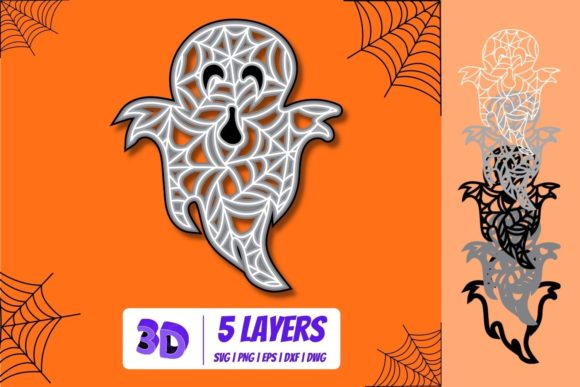
3D Specter SVG: Elevating Digital Craft with Versatile Vector Design
The intersection of digital precision and physical creation has never been more accessible. For hobbyists, small business owners, and professional designers alike, the ability to translate a digital file into a tangible object is a cornerstone of modern creativity. At the heart of this workflow lies the vector graphic, specifically the 3D Specter SVG. This particular design is not merely an image; it is a functional blueprint that bridges the gap between abstract visual concepts and real-world applications. Whether you are looking to produce custom merchandise, enhance a brand identity, or simply explore the capabilities of your cutting machine, understanding the nuances of this file format and its ecosystem is essential for success.
The Evolution of Digital Crafting and File Formats
Gone are the days when crafting was limited to scissors, glue, and paper. The rise of computer-controlled cutting machines has democratized high-quality fabrication. However, this technological shift brought with it a new set of challenges: file compatibility. Not all digital files are created equal, and using the wrong format can lead to frustrated users, wasted materials, and subpar results. This is where the strategic use of multi-format downloads becomes critical. A robust digital asset package does not just offer one type of file; it offers a suite of tools designed for different software environments and user expertise levels.
The market has evolved to expect versatility. Users no longer want to be locked into a single ecosystem. They demand the freedom to switch between platforms depending on their current project needs, software subscriptions, or hardware availability. This expectation drives the importance of comprehensive download packages that include multiple formats. By providing SVG, DXF, EPS, and PNG files in a single zipped folder, creators ensure that their work remains accessible regardless of the user's technical setup. This approach respects the diverse landscape of the maker community, from casual weekend crafters to serious commercial printers.
Understanding the Core Format: SVG and Its Ecosystem
The Scalable Vector Graphics (SVG) format is the gold standard for cutting machine workflows. Unlike raster images, which are made of pixels and lose quality when resized, vectors are defined by mathematical equations. This means the 3D Specter SVG can be scaled from the size of a sticker to the size of a billboard without any loss in edge sharpness or detail. This scalability is particularly important for designs like the 3D Specter, which likely features intricate lines, shadows, or depth cues that must remain crisp at any size.
For users operating within specific software ecosystems, the SVG format offers seamless integration. It is fully compatible with Cricut Design Space, allowing users to upload the file and immediately begin preparing it for cutting. Similarly, those using Silhouette Designer Edition will find that the SVG imports cleanly, preserving all layers and cut paths. For more advanced users who prefer dedicated desktop software, the file works flawlessly with Make the Cut (MTC), Sure Cuts A Lot (SCAL), and Brother Scan and Cut “Canvas” software. This broad compatibility ensures that whether you are a beginner following a guided tutorial or a power user managing complex multi-layer projects, the 3D Specter SVG will integrate smoothly into your workflow.
Why Layering Matters in 3D Designs
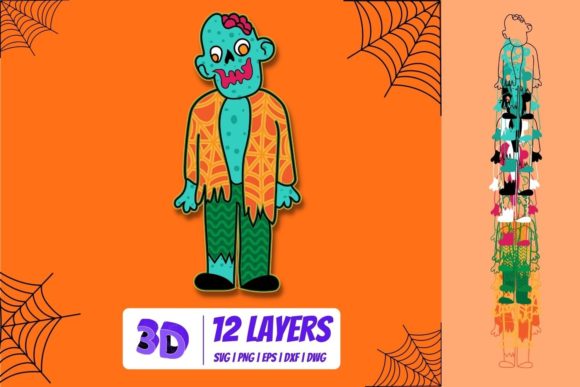
When working with a design labeled "3D," expectations of depth are high. In vector software, achieving a three-dimensional look often relies on layering—stacking different colored or textured materials to create shadows and highlights. Because the 3D Specter SVG is a vector file, these layers are editable. You can change the color of a shadow element, adjust the spacing between layers, or even remove elements entirely if they do not fit your specific material constraints. This editability is a significant advantage over pre-rendered images, giving the creator total control over the final aesthetic.
Bridging the Gap: DXF for Basic Editions
Not every user operates within the premium tiers of design software. Many entry-level crafters utilize the basic versions of popular cutting machines, such as the Silhouette Basic Edition. These software versions often have limitations regarding native SVG support or advanced layer management. To accommodate this large segment of the user base, the inclusion of a DXF (Drawing Exchange Format) file is crucial.
The DXF format is an older, widely supported standard that serves as a universal translator for vector data. While it may not carry the same rich metadata or complex editing capabilities as an SVG, it reliably conveys the geometric outlines required for cutting. When you download the 3D Specter SVG package, the included DXF file ensures that users with basic software can still access the design. It acts as a safety net, guaranteeing that financial or technical barriers to entry do not prevent someone from enjoying the creative potential of the specter design. This inclusivity is a hallmark of thoughtful digital product design.
Professional Integration: EPS and Advanced Vector Software
For professionals in graphic design, branding, and print production, the workflow often extends beyond cutting machines into broader design suites. Here, the EPS (Encapsulated PostScript) format takes center stage. EPS files are capable of containing both vector and raster data, making them highly versatile for professional printing and layout design. The 3D Specter SVG package includes an EPS file specifically for users of CorelDraw, Inkscape, and Adobe Illustrator.
Designers using Adobe Illustrator can import the EPS file to manipulate the specter design alongside other vector elements, ensuring consistent line weights and color profiles across a entire brand campaign. Similarly, users of CorelDraw benefit from the precise vector data contained within the EPS structure. Even open-source enthusiasts utilizing Inkscape can leverage this format to edit the design before exporting it for various uses. This level of professional-grade support elevates the 3D Specter from a simple craft template to a viable asset for commercial design projects, appealing to freelancers and agency workers who need reliable, high-fidelity assets.
The Role of High-Resolution Raster: PNG Files
While vectors are ideal for cutting and scaling, there are times when a static image is exactly what is needed. Perhaps you are creating a social media post, designing a website banner, or previewing the design before purchasing a physical product. In these scenarios, a PNG (Portable Network Graphics) file is indispensable. The inclusion of a PNG in the download package provides a ready-to-use photo file with a transparent background.
Transparency is key here. It allows the specter design to be placed over any background color or texture without an unsightly white box surrounding it. Furthermore, the specification of 300 DPI (dots per inch) ensures that the image is print-ready. Many free online images are optimized for web display at 72 DPI, which looks pixelated when printed. By providing a 300 DPI version, the download package caters to users who need to print high-quality mockups or physical proofs of the design. This attention to detail demonstrates an understanding of the full lifecycle of a digital asset, from screen to print.
Practical Implications for Creators and Businesses
For entrepreneurs and hobbyists selling handmade goods, the efficiency of the design process directly impacts profitability. Having access to a well-structured file package reduces the time spent troubleshooting compatibility issues. Instead of converting files manually—a process that can introduce errors or degrade quality—the user can simply unzip the folder and select the appropriate file for their software. This streamlined workflow allows creators to focus on what matters most: the quality of their finished product and their customer relationships.
Moreover, the versatility of the 3D Specter design opens up diverse revenue streams. The same design can be cut from vinyl for laptop decals, printed on fabric for tote bags, or used as a stencil for painting on wood. The multi-format nature of the download supports this cross-medium flexibility. A business owner can use the SVG for their cutting plotter, the EPS for their marketing materials, and the PNG for their online store listings, all while maintaining consistency across all touchpoints.
Conclusion: Embracing Versatility in Digital Design
The release of the 3D Specter SVG download exemplifies the modern standard for digital creative assets. It is not enough to simply provide a picture; today’s users require a toolkit. By offering SVG, DXF, EPS, and PNG formats, the package addresses the varied needs of different software platforms, user skill levels, and application contexts. From the precise cuts of a Cricut machine to the sophisticated layouts of Adobe Illustrator, this design adapts to the user’s environment rather than forcing the user to adapt to the design.
As technology continues to evolve, the demand for flexible, high-quality digital assets will only grow. Professionals, educators, and hobbyists alike are seeking resources that respect their time and enhance their creative potential. The 3D Specter stands out because it acknowledges this reality. It provides a comprehensive solution that empowers users to bring their visions to life with confidence, regardless of the tools they choose to wield. In a market saturated with options, this level of thoughtfulness and utility makes it a valuable addition to any digital library.