3D Arabesque Tile Shadow Box: A Digital Design Resource
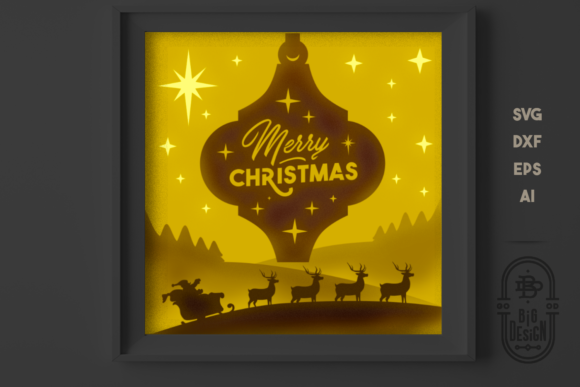
Integrating intricate geometric patterns into modern design projects often requires a balance between aesthetic complexity and technical precision. The 3D Arabesque Tile Shadow Box serves as a sophisticated digital asset designed to bridge this gap. Specifically tailored for creators who appreciate the depth and cultural richness of Islamic art, this resource offers a versatile solution for generating visually striking compositions. Whether you are looking to add a festive touch with a holiday-themed scene or simply want to incorporate timeless architectural elements into your work, understanding the capabilities of this file set is essential for maximizing its utility.
Understanding the Core Concept
At its foundation, an Arabesque pattern is characterized by rhythmic linear forms that create complex, interlacing designs. When translated into a 3D shadow box format, these flat patterns gain significant visual weight and dimensionality. The 3D Arabesque Tile Shadow Box is not merely a decorative image; it is a structural blueprint. It allows designers to layer cut materials—such as wood, acrylic, or cardstock—to create physical objects that cast dynamic shadows and reveal depth when viewed from different angles. This technique transforms a simple two-dimensional motif into an interactive piece of art that engages the viewer through light and perspective.
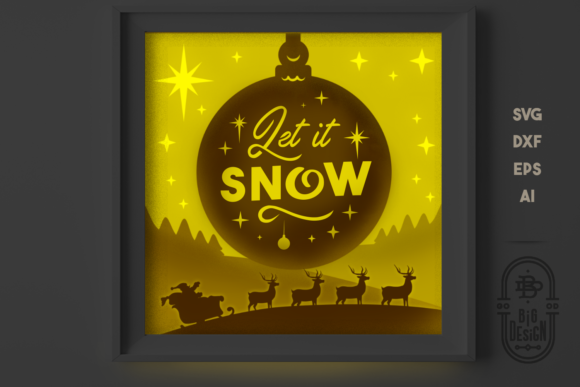
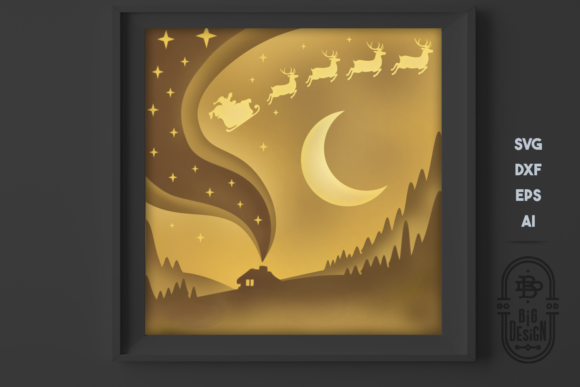
The specific inclusion of a Christmas scene within this framework adds a unique twist. By merging traditional holiday iconography with classical Arabesque geometry, designers can produce culturally inclusive yet seasonally appropriate decor. This fusion appeals to a broad audience, offering a refined alternative to standard commercial holiday decorations. For professionals in interior design, event planning, or retail merchandising, this duality provides a high-value tool for creating distinctive visual narratives.
Technical Specifications and File Integrity
For digital assets to be truly useful, their format versatility is paramount. This product is delivered as a comprehensive ZIP File containing multiple industry-standard formats: SVG, DXF, EPS, and Ai. Each format serves a distinct purpose in the production pipeline, ensuring compatibility across various software ecosystems and hardware manufacturers.
- SVG (Scalable Vector Graphics): Ideal for web design and vector editing software like Adobe Illustrator or Inkscape. Its resolution-independent nature ensures crisp edges at any scale, making it perfect for digital displays or precise cutting instructions.
- DXF (Drawing Exchange Format): The gold standard for CNC routers, laser cutters, and vinyl plotters. This format ensures that the machine interprets the paths accurately, minimizing errors during the physical cutting process.
- EPS (Encapsulated PostScript) & Ai (Adobe Illustrator): Essential for professional graphic design workflows. These files preserve layers, colors, and vector data, allowing for extensive customization before export.
The default size of the design is set at 8x8 inches, a manageable footprint for tabletop displays, gift tags, or small-scale wall art. However, because these are vector-based files, they are fully scalable. You can enlarge the design for large-format signage or reduce it for jewelry components without losing quality. This flexibility is crucial for entrepreneurs who need to adapt a single asset for multiple product lines.
Practical Applications Across Industries
The utility of the 3D Arabesque Tile Shadow Box extends far beyond hobbyist crafting. Its applications span several professional sectors, each leveraging the asset’s unique properties for different outcomes.
Interior Design and Home Decor
In residential and commercial interiors, shadow boxes serve as focal points. The layered nature of the Arabesque pattern creates natural light play throughout the day. Designers can use this asset to create window hangings, lamp shades, or partition screens. During the holiday season, the Christmas variant allows homeowners to display festive cheer without relying on mass-produced plastic ornaments, adding a touch of elegance and sophistication to living spaces.
Retail and Branding
Brands seeking to stand out in crowded markets often turn to tactile experiences. A retailer might use the 3D Arabesque Tile Shadow Box to create custom window displays or in-store signage. The intricate details draw the eye, encouraging customers to linger. For luxury brands, the geometric precision of the Arabesque style conveys stability and heritage, aligning well with premium positioning. Additionally, businesses can customize the color palette of the SVG files to match their brand identity, creating cohesive marketing materials.
Education and Workshops
Educators in STEM fields, particularly those focusing on geometry, engineering, or cultural history, find value in this resource. The intersecting lines of the Arabesque pattern provide a real-world example of tessellation and symmetry. Teachers can use the DXF files to have students cut and assemble models, fostering hands-on learning about spatial reasoning and artistic traditions. Similarly, art instructors can demonstrate how digital tools facilitate the transition from concept to physical object.
Digital Content Creation
Bloggers, influencers, and social media managers constantly seek fresh visual content. High-quality images of the assembled shadow box can enhance blog posts about DIY projects, holiday decor trends, or cultural appreciation. The scalability of the SVG file means that creators can generate thumbnails, headers, and background textures directly from the source file, ensuring consistency across all platforms.
Key Benefits and Strategic Value
Adopting the 3D Arabesque Tile Shadow Box offers several strategic advantages. First, it enhances user engagement by providing a multi-sensory experience. Unlike flat images, shadow boxes interact with ambient light, creating an ever-changing visual that captures attention. Second, it supports efficiency in production. With ready-to-cut DXF files, makers skip the tedious process of tracing or designing from scratch, reducing setup time and material waste.
Furthermore, the asset promotes brand differentiation. In a market saturated with generic clipart, a custom-designed, layered shadow box stands out. It signals attention to detail and a commitment to quality. For freelancers and agencies, this translates into higher perceived value for clients, potentially justifying premium pricing for design services.
Considerations for Implementation
While the digital asset is powerful, successful implementation requires careful planning. Since this is a digital download only, users must ensure they have the necessary software to open and edit the files. Familiarity with vector graphics editors is recommended for customization, while experience with laser cutters or CNC machines is needed for physical production.
Material selection also plays a critical role. Thin materials like chipboard or basswood work well for detailed cuts, but thicker woods may require adjustments to the file paths to prevent burning or incomplete cuts. Testing a small section of the design before committing to a full run is a best practice. Additionally, consider the lighting environment where the final piece will be displayed. Proper illumination is key to revealing the 3D effects inherent in the Arabesque design.
Finally, always respect intellectual property rights. While the file grants usage rights, reselling the raw digital file itself is typically prohibited. Instead, focus on creating unique physical products or derivative works that add value. By combining the 3D Arabesque Tile Shadow Box with creative vision and technical skill, professionals can produce stunning results that resonate with audiences and elevate their projects.