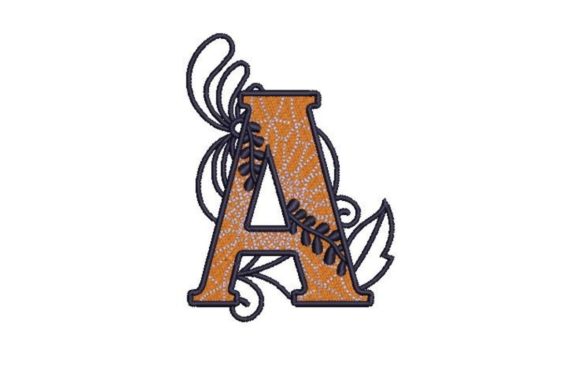
3D Layered Alphabet Letter a
Personalization has become a cornerstone of modern crafting, branding, and gifting. Among the myriad options available to hobbyists and professionals alike, machine embroidery offers a durable and professional finish that screen printing or heat transfer often cannot match. Within this niche, specific design elements play a crucial role in determining the final aesthetic quality of a project. One such element is the 3D Layered Alphabet Letter a, a playful design for the alphabet letter A that allows users to get all the letters and create their own name in a great style with them.
This article provides an objective evaluation of this specific embroidery design category. It explores what these designs entail, the technical considerations involved in using them, and how they fit into broader crafting goals. Whether you are looking to customize apparel, create unique gifts, or produce branded merchandise, understanding the nuances of 3D layered typography will help you make informed decisions about your next project.
Understanding 3D Layered Typography in Embroidery
To evaluate the value of a 3D Layered Alphabet Letter a, it is first necessary to understand the mechanics behind it. Unlike standard flat embroidery where thread is stitched directly onto the fabric surface, 3D puff embroidery or layered designs utilize multiple layers of stitching to create depth and dimension. In the context of digital embroidery files, "layered" often refers to separate stitch regions that can be processed sequentially by the machine to build up height and shadow effects.
The specific design described as a "playful design for the alphabet letter A" suggests a stylized approach. This might involve exaggerated curves, bold outlines, or distinct color blocking that mimics the look of physical layering. When combined with the ability to use "all the letters," this design becomes part of a larger system allowing for full name personalization. This versatility is a primary driver for interest in such products, as it transforms a single character into a customizable tool for identity expression.
Key Benefits of Using Layered Alphabet Designs
When comparing different embroidery techniques, several advantages stand out when utilizing layered alphabet sets like the 3D Layered Alphabet Letter a.
- Aesthetic Depth: The primary benefit is visual impact. Layered designs catch light differently than flat stitches, creating shadows and highlights that make the text pop off the fabric. This is particularly effective on caps, jackets, and tote bags where texture adds perceived value.
- Customization Potential: As noted in the product description, getting all the letters allows users to create their own names. This scalability means the design is not limited to a single initial but can serve as a complete naming convention for families, teams, or brands.
- Professional Finish: High-quality layered designs often include underlay stitches that stabilize the fabric. This reduces puckering and ensures the final product looks polished rather than amateurish, which is critical for commercial applications.
- Format Compatibility: The mention of "multiple embroidery file formats" addresses a significant barrier to entry. Many users struggle with compatibility between different software (such as Wilcom, Pulse, or Brother PE-Design) and hardware. Access to formats like .PES, .DST, .EXP, and .JEF ensures that the design can be used across a wide range of machines without needing complex conversion tools.
Technical Considerations and Tradeoffs
While the benefits are clear, potential users must weigh these against certain tradeoffs and technical requirements. Not every embroidery project is suited for a 3D layered approach, and understanding these limitations is essential for success.
Machine Capabilities
Although the design comes with multiple formats, the physical execution depends heavily on the embroidery machine itself. True 3D puff embroidery requires a specialized foam backing that is placed under the fabric and removed after stitching. If the user’s machine does not support this feature, the "layered" effect may need to be simulated through dense top-stitching and strategic color changes. Users should verify their machine's capabilities before purchasing or downloading such files to ensure they can achieve the intended look.
Fabric Selection
The choice of material significantly impacts the outcome. Thick fabrics like denim, canvas, or structured cotton blends provide the necessary stability for layered letters. Thin or stretchy fabrics, such as lightweight jersey or silk, may distort under the tension of multiple stitching passes, leading to misalignment of the layers. Evaluating the end-use of the garment is a critical step in the decision-making process.
Stabilization Requirements
Layered designs often require more aggressive stabilization than simple monograms. Hooping tension must be carefully managed to prevent the fabric from shifting between color changes. For beginners, this learning curve can result in wasted time and materials if the alignment of the layers is off. It is advisable to test the design on scrap fabric of the same type before committing to the final piece.
Situational Fit: Who Should Use This Design?
Determining whether the 3D Layered Alphabet Letter a is the right choice depends largely on the user's specific goals and experience level.
Ideal Scenarios:
- Small Business Owners: Those producing custom hats, uniforms, or promotional items will find the multi-format compatibility and scalable nature of this design highly efficient. The ability to quickly generate personalized names for customers adds significant value.
- Hobbyists Seeking Professional Results: Intermediate embroiderers who want to elevate their projects beyond basic monograms will appreciate the complexity and visual appeal of layered styles.
- Event Personalization: For weddings, birthdays, or team events, the "playful" aspect of the design allows for creative expressions that feel festive and unique.
Alternative Considerations:
Conversely, this design may not be the best fit for everyone. Beginners with basic home machines that lack advanced tension control or hoop size capabilities might find the layered process frustrating. In such cases, simpler, flat-stitch alphabets offer a more forgiving learning curve. Additionally, if the goal is mass production on delicate fabrics where bulkiness is undesirable, alternative decoration methods like sublimation or direct-to-garment printing might yield better results than heavy embroidery layers.
Practical Decision-Making Insights
To determine if this product aligns with your needs, consider the following practical steps:
- Check File Formats: Ensure the included formats match your machine’s native language. While converters exist, native files reduce the risk of errors during digitization interpretation.
- Assess Your Material Inventory: Look at the types of blanks or garments you frequently work with. Do they have the weight and structure to support 3D effects? If not, seek out lighter-weight font alternatives.
- Evaluate Your Skill Level: Be honest about your proficiency with stabilizers and hooping. If you are new to embroidery, start with a single letter test to understand how the layers interact before attempting full names.
- Define the End Use: Is this for daily wear or special occasions? 3D embroidered items tend to be more durable but also stiffer. Ensure the comfort level meets your expectations for the intended application.
Conclusion
The 3D Layered Alphabet Letter a represents a robust option for those seeking to add depth and personality to their embroidery projects. Its strength lies in its versatility, offering a complete set of letters for full name customization and compatibility with various machines through multiple file formats. However, success with this design requires attention to technical details, including machine capability, fabric selection, and stabilization techniques.
By objectively weighing the aesthetic benefits against the technical demands, crafters can decide whether this playful, layered style fits their workflow. For those ready to tackle the nuances of 3D embroidery, the result is a high-quality, professional-looking product that stands out in both texture and visual appeal.