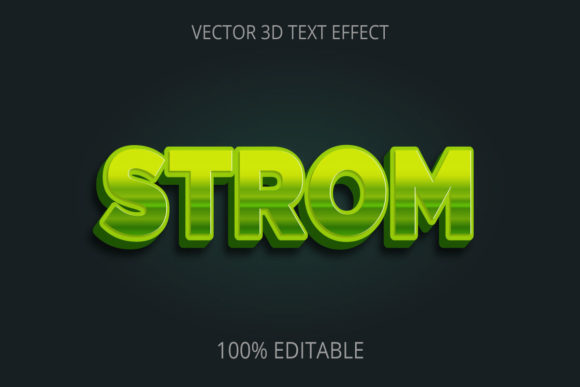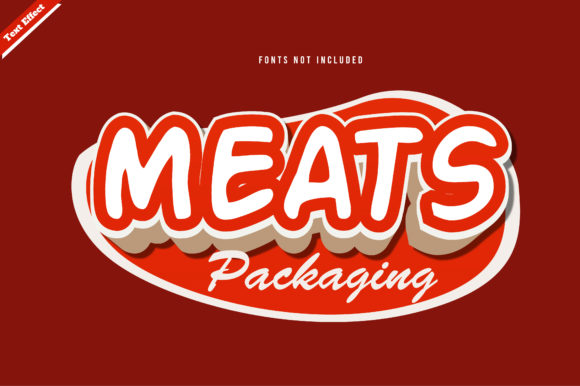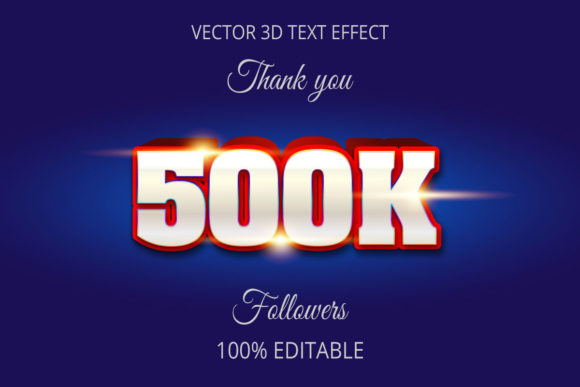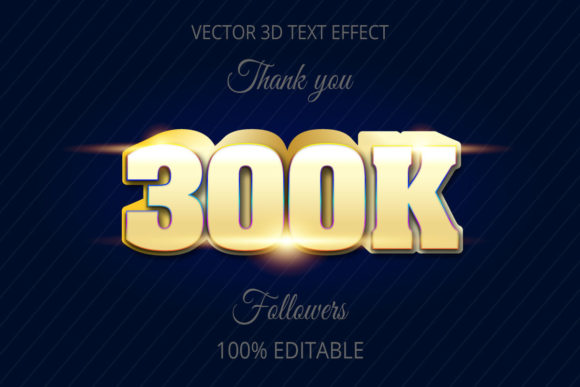
Mastering the Sale 3D Text Effect: A Comprehensive Guide to Editable Text Style and Vector Design
In the rapidly evolving landscape of digital graphic design, the demand for typography that commands attention has never been higher. Among the myriad techniques available to designers, the Sale 3D Text Effect stands out as a powerful tool for creating visual impact. This specific style is not merely about adding depth; it represents a sophisticated approach to text manipulation that balances aesthetic appeal with functional flexibility. Understanding how to leverage this effect requires moving beyond simple font selection and delving into the mechanics of vector-based design, where every curve, shadow, and highlight can be manipulated with precision.
The core advantage of utilizing a fully editable vector design lies in its scalability and adaptability. Unlike raster images that pixelate when enlarged, vector graphics maintain their crispness at any size. This characteristic is particularly crucial for modern marketing materials, which often need to transition seamlessly from small mobile screens to large-format billboards. When combined with an Editable Text Style, designers gain the ability to modify content without compromising the integrity of the underlying structure. This guide explores the intricacies of this design technique, offering insights into its applications, benefits, and implementation strategies for a diverse range of creative professionals.
The Anatomy of a Fully Editable Vector Design
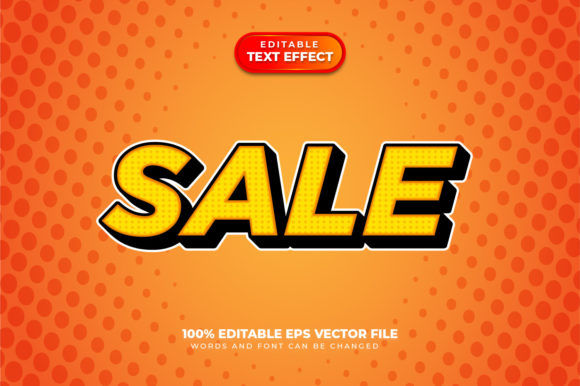
To truly appreciate the value of the Sale 3D Text Effect, one must first understand the technical foundation upon which it is built. At its heart, this is a fully editable vector design. This means that the graphical elements are defined by mathematical equations rather than fixed grids of pixels. Consequently, you can enlarge or reduce it to the size that you want without any loss in quality. Whether you are designing a logo for a business card or a banner for a trade show, the text remains sharp and clear.
This technical attribute directly supports the promise that 100 Vector 100 Editable components can be adjusted with ease. In many traditional design workflows, applying a complex 3D effect might lock certain attributes, making subsequent edits difficult or impossible. However, in this system, words, fonts, and size can be changed easily. The separation between the stylistic effects (such as extrusion, bevels, and lighting) and the actual text characters allows for non-destructive editing. If a client requests a change in wording or a shift in brand color, the designer can simply click and type the new text, and the entire 3D structure automatically adjusts to fit the new dimensions.
Workflow Efficiency Through Click-and-Edit Functionality
One of the most significant barriers to efficient design production is the rigidity of static templates. The Sale 3D Text Effect addresses this challenge by offering a workflow that prioritizes speed and flexibility. The interface is designed around the principle that Just click and edit. This intuitive interaction model reduces the learning curve for users who may not have extensive experience with advanced graphic software, while still providing enough depth for seasoned professionals to execute complex compositions.
It is important to clarify a common misconception regarding this tool: This is an not a font, just Text Font Effect design. Many users confuse typefaces with text effects. A font defines the shape of the letters themselves, whereas a text effect applies visual treatments like shadows, gradients, and three-dimensional transformations to those shapes. By recognizing this distinction, designers can better utilize the tool. You can use the font in the design or any font you want. This decoupling of form and style grants immense creative freedom. For instance, a designer might choose a bold, sans-serif font for a sports event poster and apply the 3D effect to give it a dynamic, forward-moving appearance. Alternatively, they might select an elegant serif font for a luxury product advertisement, using the same 3D effect but with softer lighting and more refined bevels to convey sophistication.
This flexibility extends to the customization of individual elements. Because the design is built within Adobe Illustrator Text Effect environments, users can manipulate layers, adjust opacity, and tweak gradient stops independently. This level of control ensures that the final output aligns perfectly with specific brand guidelines or project requirements.
Practical Applications Across Industries
The versatility of the Sale 3D Text Effect makes it applicable across a wide spectrum of industries. Its ability to create depth and dimension allows it to capture attention in crowded visual spaces. Below are several key areas where this technology proves invaluable.
- Retail and E-commerce: Online stores rely heavily on visual hierarchy to guide customer behavior. Using the Editable Text Style, marketers can create eye-catching sale banners, promotional pop-ups, and product highlights. The ability to quickly update prices and product names while maintaining a consistent 3D look ensures that campaigns remain current and engaging without requiring constant redesign.
- Event Marketing: For conferences, concerts, and festivals, the energy conveyed by typography is paramount. The 3D effect adds a sense of volume and presence that flat text lacks. Event organizers can use this to create posters, social media assets, and stage backdrops that feel immersive. The ease of changing text allows for last-minute schedule updates or speaker name changes without delaying the launch of promotional materials.
- Educational Materials: Educators and instructional designers can use these effects to make learning materials more visually stimulating. Complex concepts can be broken down into visually distinct components using 3D text labels. The clarity and readability of the text are preserved even with the added effects, ensuring that information is communicated effectively to students of all ages.
- Personal Branding: Content creators, influencers, and freelancers benefit from unique visual identities. By customizing the Sale 3D Text Effect with their own color palettes and fonts, individuals can create a recognizable signature style for their thumbnails, headers, and merchandise. The Just click and type feature enables rapid iteration, allowing creators to test different headlines and designs to see what resonates best with their audience.
Technical Considerations and Best Practices
While the Sale 3D Text Effect offers numerous advantages, successful implementation requires an understanding of certain technical considerations. Designers must balance aesthetics with usability. Excessive depth or overly dramatic lighting can sometimes obscure the text, making it difficult to read. Therefore, it is essential to ensure sufficient contrast between the text and its background.
Another critical aspect is file management. Since the design is based on vectors, keeping the source files organized is vital for future edits. Users should maintain separate layers for the base text, the 3D extrusion, and any additional decorative elements. This organization facilitates easier modifications if the project scope changes. Furthermore, exporting the final design in the appropriate format is crucial. While vector formats like SVG or AI are ideal for further editing, raster formats like PNG or JPEG may be necessary for web use, especially when transparency is required.
When working with the Adobe Illustrator Text Effect environment, paying attention to resolution settings during export is equally important. Even though the source is vector, the preview and final output for digital platforms should be optimized for the target screen density. High-resolution exports ensure that the edges of the 3D text remain smooth and free of jagged artifacts, preserving the professional quality of the design.
The Future of Dynamic Typography
As digital interfaces continue to evolve, the role of dynamic typography will only grow in importance. The Sale 3D Text Effect represents a step towards more interactive and adaptable visual communication. With advancements in software capabilities, we can expect even greater integration between text effects and motion graphics. Imagine 3D text that not only looks impressive in static images but also animates smoothly in video content, responding to user interactions or data inputs.
The principles underlying this technology—editability, scalability, and visual impact—are foundational to this future. By mastering the Editable Text Style today, designers are preparing for a landscape where static images are increasingly complemented or replaced by dynamic, responsive content. The ability to enlarge or reduce designs effortlessly and to change fonts and sizes easily positions these tools at the forefront of modern design workflows.
Conclusion
The Sale 3D Text Effect is more than just a stylistic choice; it is a strategic asset for anyone involved in visual communication. Its foundation as a fully editable vector design ensures that it meets the rigorous demands of professional projects, from print to digital. The emphasis on 100 Vector 100 Editable features empowers users to iterate quickly and adapt to changing needs without starting from scratch. By understanding the distinction between fonts and effects, and by leveraging the Just click and edit functionality, designers can unlock new levels of creativity and efficiency. Whether you are a seasoned graphic artist or a hobbyist looking to enhance your personal projects, embracing this technology offers a pathway to creating compelling, high-quality visual content that stands out in an increasingly noisy digital world.