Mastering the Clock: How 3D Illustration Time Management Elevates Professional Visual Identity
In an era where digital attention spans are shrinking and visual competition is intensifying, the way professionals present their ideas has become a critical differentiator. For designers, marketers, and entrepreneurs, the ability to convey complex concepts quickly and aesthetically is no longer just a nice-to-have; it is a business imperative. Central to this challenge is the concept of 3d Illustration Time Management. While often interpreted strictly as a workflow strategy, in the context of modern creative production, it also refers to the strategic use of high-fidelity 3D assets—specifically those depicting temporal dynamics—to communicate efficiency, organization, and forward momentum.
This article explores how integrating premium 3D illustrations into your design toolkit can transform landing pages, UI elements, and brand showcases. We will examine why this specific visual language is gaining traction across tech, lifestyle, and consumer markets, and how leveraging ready-made, high-resolution assets like PSD files can streamline your creative process without sacrificing quality.
The Evolution of Visual Communication in Digital Spaces
Gone are the days when flat, static graphics were sufficient to capture user interest. As screen real estate becomes more crowded, brands are turning to depth, texture, and realism to create immersive experiences. This shift is driven by advancements in rendering technology and a growing consumer appetite for authentic, tangible digital experiences. The result is a surge in demand for 3D illustration that feels both fresh and professional.
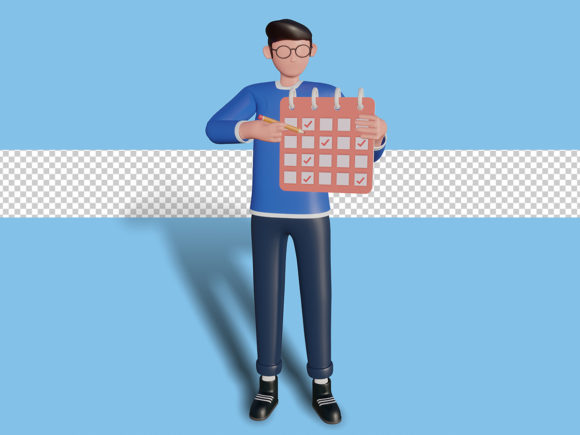
3d Illustration Time Management serves as a potent metaphor within this landscape. It visually represents the abstract concept of productivity through concrete, relatable imagery. Whether it is a stylized clock merging with geometric shapes or a character navigating a timeline of floating icons, these visuals provide immediate cognitive cues about order, precision, and control. For professionals seeking to showcase software solutions, organizational tools, or personal branding, such imagery bridges the gap between technical functionality and emotional resonance.
Why Professionals Are Paying Attention to 3D Assets
The decision to incorporate 3D illustrations into marketing materials is not merely aesthetic; it is strategic. Several factors contribute to the rising prominence of this medium:
- Enhanced Engagement: Studies consistently show that users interact more deeply with content that offers visual novelty. A well-rendered 3D element stands out against a sea of flat vectors, drawing the eye and encouraging longer dwell times on a page.
- Brand Differentiation: In saturated markets, unique visual identity is key. Custom or semi-custom 3D assets allow brands to establish a distinctive look that competitors cannot easily replicate.
- Complex Concept Simplification: Abstract services, such as cloud computing, data analytics, or project management software, are difficult to visualize. 3D illustrations can personify these concepts, making them accessible to non-technical audiences.
For freelancers and agencies, the availability of high-quality, pre-designed assets accelerates this process. Instead of spending weeks modeling and texturing a scene from scratch, creators can utilize comprehensive packages that include layered files, allowing for rapid customization while maintaining a premium finish.
Practical Applications Across Industries
The versatility of 3D illustration extends far beyond simple decoration. When applied correctly, these assets serve functional roles in various sectors. Let us explore how 3d Illustration Time Management themes are being utilized effectively today.
User Interface (UI) and User Experience (UX) Design
In UI design, clarity is paramount. 3D elements can guide user attention toward call-to-action buttons or highlight key features within an app interface. Imagine a productivity app where the dashboard features a subtle, rotating 3D clock that animates based on real-time progress. This not only adds visual interest but reinforces the core value proposition of time tracking. The tactile nature of 3D graphics makes digital interfaces feel more responsive and alive, enhancing the overall user experience.
Landing Pages and Header Images
Your website’s header is your digital handshake. It must communicate your brand’s essence instantly. A striking 3D illustration featuring themes of organization and flow can set the tone for a B2B SaaS company specializing in project management. By using a high-resolution image that includes depth and lighting effects, you signal professionalism and attention to detail before the user even reads a single line of copy.
Furthermore, modern web design trends favor modular layouts. 3D assets can be isolated and used as decorative accents alongside text blocks, creating a balanced composition that is both informative and visually appealing. This approach supports the "scannability" that internet users rely on, allowing them to grasp the main message quickly.
Print and Physical Collateral
While digital dominance is undeniable, print remains a powerful tool for networking events, conferences, and high-end packaging. A 3D illustration designed with crisp edges and vibrant colors translates beautifully to physical media. Consider a brochure for a consulting firm; including a large-format 3D graphic of interconnected gears or timelines can leave a lasting impression on potential clients. The tactile quality of printed paper combined with the illusion of depth in the artwork creates a multisensory experience that digital screens cannot fully replicate.
The Technical Advantage: PSD and JPEG Integration
One of the most significant barriers to entry for 3D illustration has been the technical expertise required to produce and modify these assets. However, the industry has responded by offering user-friendly formats that democratize access to high-end design. Packages that include both JPEG and PSD files offer unparalleled flexibility.
A standard JPEG at 4500 x 4500 px provides exceptional resolution, ensuring that images remain sharp whether viewed on a mobile device or printed on a large banner. This high pixel density is crucial for maintaining clarity across all display types, from Retina screens to outdoor billboards.
However, the true power lies in the PSD file. Photoshop Document files preserve layers, masks, and adjustment settings, allowing designers to:
- Customize Colors: Match the illustration precisely to your brand’s color palette without losing shadow and highlight integrity.
- Modify Elements: Swap out specific icons, change text overlays, or rearrange components to better fit your narrative.
- Optimize Workflow: Work non-destructively, meaning you can experiment freely and revert changes if needed, saving time and reducing stress during tight deadlines.
This combination of ease-of-use and professional output is what makes these asset packs so valuable for busy professionals. It allows for a "fresh look" with minimal effort, enabling teams to focus on strategy rather than technical execution.
Aligning with Broader Market Trends
The rise of 3D illustration is part of a larger movement toward experiential design. Consumers now expect interactions to be intuitive, engaging, and aesthetically pleasing. They are drawn to brands that demonstrate innovation and creativity. By adopting 3d Illustration Time Management visuals, businesses align themselves with these expectations.
Moreover, the remote work revolution has changed how we perceive productivity. With hybrid work models becoming the norm, tools and visuals that emphasize balance, flexibility, and efficient time usage resonate deeply with modern workers. Illustrations that depict harmonious integration of work and life, or streamlined digital workflows, tap into this cultural zeitgeist. They speak directly to the pain points of the contemporary workforce, offering visual solutions to real-world problems.
Conclusion: Investing in Visual Clarity
In conclusion, the strategic use of 3D illustrations, particularly those centered around themes like time management, offers a significant advantage in today’s competitive digital landscape. These assets do more than decorate; they communicate, engage, and convert. By leveraging high-quality resources that include versatile file formats like PSD and high-resolution JPEGs, professionals can elevate their designs with an attractive and fresh look.
Whether you are crafting a compelling landing page, refining your UI design, or preparing print materials, investing in premium 3D imagery is an investment in your brand’s clarity and appeal. As technology continues to evolve, the ability to tell stories through dynamic, three-dimensional visuals will only become more important. Embrace this trend, integrate these powerful tools into your workflow, and watch as your visual communication reaches new heights of effectiveness and impact.
For those looking to implement these strategies immediately, exploring curated collections of 3D assets can provide the starting point needed to refresh your digital presence. Remember, in the world of design, first impressions are everything—and a stunning 3D illustration is often the best way to make one.