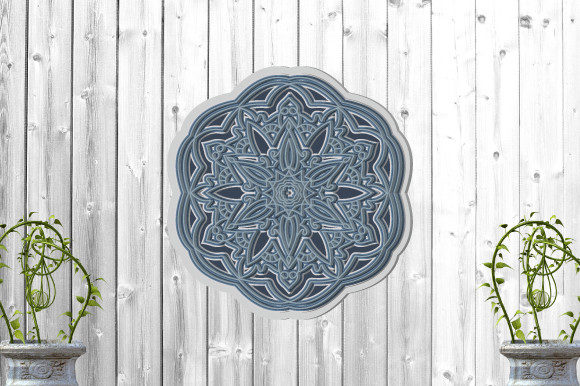
3D Multilayered Mandala Art SVG: Elevating Your Creative Projects with Depth and Detail
In the world of digital design, particularly within the realm of print-on-demand and physical crafting, there is a constant demand for visuals that do more than just sit flat on a page. Designers, crafters, and entrepreneurs are increasingly looking for ways to add dimension, texture, and visual interest to their work without resorting to complex 3D modeling software. This is where 3D Multilayered Mandala Art SVG becomes an indispensable asset. By combining the intricate geometry of traditional mandalas with the technical precision of vector layering, this unique graphic set offers a sophisticated solution for creating high-impact designs.
Whether you are preparing interiors for a Kindle Direct Publishing (KDP) book, creating custom gifts, or designing promotional materials, understanding how to leverage these layered files can transform your workflow. The following guide explores what makes this specific art style so powerful, who it serves, and how you can implement it into your own creative projects.
Understanding the Power of Multilayered Vector Art
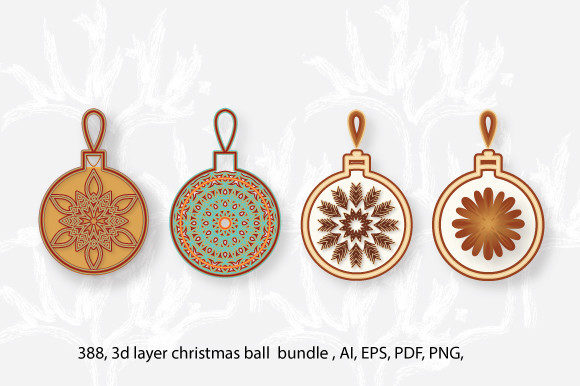
A standard SVG (Scalable Vector Graphic) is typically a single-path image that scales infinitely without losing quality. However, a 3D Multilayered Mandala Art SVG operates differently. It consists of multiple distinct layers stacked upon one another, often separated by slight gaps or shadows to simulate depth. When viewed digitally or printed, these layers create an optical illusion of three-dimensionality, giving the flat image a tangible, tactile feel.
This technique is particularly effective for mandalas—circular designs that symbolize wholeness and balance. The complexity of a mandala naturally lends itself to layering. By separating the concentric rings, petals, and geometric shapes into individual vector paths, designers can manipulate opacity, color, and spacing to achieve a "pop-out" effect. This adds a premium quality to any project, making simple paper cuts or screen prints look like elaborate, hand-crafted installations.
Solving Common Design Challenges
Many creators face specific hurdles when trying to produce detailed interior designs for books or crafts. One common challenge is the "flatness" of standard clipart. When users download generic mandala images, they often struggle to make them stand out in a crowded marketplace. Another significant issue is compatibility. Crafters using machines like Cricut or Silhouette need files that cut cleanly, while digital artists need files that render smoothly in Adobe Illustrator or Procreate.
The 3D Multilayered Mandala Art SVG addresses these issues head-on. By providing a comprehensive file package, it removes the friction of format conversion. Instead of spending hours tracing vectors or troubleshooting broken paths, users receive a ready-to-use resource. This allows designers to focus on the aesthetic application rather than the technical reconstruction of the artwork. For KDP authors, this means interior pages that look professionally designed, increasing the perceived value of the product.
Comprehensive File Formats for Every Workflow
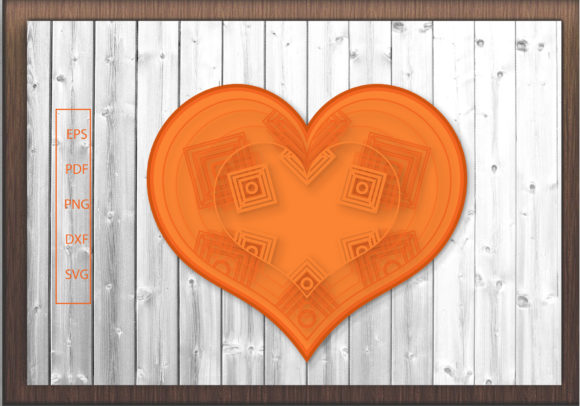
One of the most practical aspects of this graphic set is its versatility across different software ecosystems. A single compressed zip file containing five distinct formats ensures that whether you are a professional illustrator or a hobbyist crafter, you have the right tool for the job. Here is how each component supports your creative goals:
- SVG (Scalable Vector Graphic): This is the core file for digital design. It allows for infinite scaling and easy editing of individual layers. Perfect for web graphics, logo creation, and sending to print shops.
- DXF (Drawing Exchange Format): Essential for laser cutters and vinyl cutting machines. If you plan to turn this mandala into a physical wooden sign, metal wall art, or a layered paper craft, the DXF file provides the precise cutting paths needed for machinery.
- PDF (Portable Document Format): Ideal for printing directly or importing into layout software like InDesign. It preserves the structure of the document and is widely compatible with almost all operating systems.
- PNG (Portable Network Graphics): A raster image format that includes transparency. This is useful for quick previews, social media posts, or placing the image over other backgrounds in non-vector software like Microsoft Word or Canva.
- EPS (Encapsulated PostScript): A legacy vector format often required by older printing presses or specific industrial design workflows. It ensures high-quality output for large-format printing.
Practical Applications and Creative Outcomes
The beauty of the 3D Multilayered Mandala Art SVG lies in its adaptability. Because it is described as having "many styles," users can choose patterns that align with various themes, from bohemian and spiritual to modern and minimalist. Below are several ways to utilize this resource effectively.
KDP Book Interiors and Covers
For authors publishing journals, coloring books, or meditation guides via Kindle Direct Publishing, interior aesthetics matter. A standard black-and-white mandala is common, but a 3D-layered design suggests a higher production value. You can use the PDF or SVG files to create intricate cover designs or fill the margins of a coloring book with subtle, layered background elements that encourage mindfulness. The depth created by the layers adds visual richness that keeps the reader engaged.
Personalized Gifts and Home Decor
Gift-giving is a personal act, and adding a handmade touch can significantly enhance the sentiment. Using the DXF file, you can cut these mandalas from wood, acrylic, or heavy cardstock. Layering these cutouts creates stunning wall hangings, lamp shades, or shadow box art. Because the design is multilayered, even a simple material change—from light birch to dark walnut—can dramatically alter the mood of the piece. These make for exceptional gifts for friends and loved ones, offering a blend of artistic expression and personal care.
Textile and Apparel Design
p>While less common for physical cutting, the SVG and PNG versions are excellent for direct-to-garment (DTG) printing or sublimation. The layered effect can be replicated using multi-color printing techniques, allowing you to place textured, dimensional mandalas on t-shirts, tote bags, or scarves. The unique style sets your apparel apart from competitors who use flat, two-dimensional graphics.Implementation Tips for Best Results
To get the most out of this 3D Multilayered Mandala Art SVG, consider the following recommendations:
- Experiment with Color Palettes: Since the layers are separate, you don't have to stick to monochrome. Try gradient fills or contrasting colors between layers to emphasize the 3D effect. Soft pastels work well for calming KDP interiors, while bold neon gradients can attract attention on social media.
- Adjust Spacing for Scale: The gap between layers determines the intensity of the 3D look. When scaling up for large prints or physical cuts, ensure the spacing remains proportional. If the design is too small, the layers may merge visually; if too large, the gaps might appear disjointed.
- Layer Opacity for Digital Use: In digital design software, reducing the opacity of lower layers can create a shadow effect, enhancing the perception of depth without needing actual physical separation.
Conclusion
The 3D Multilayered Mandala Art SVG is more than just a collection of images; it is a versatile toolkit for creative problem-solving. Whether you are aiming to improve the aesthetic appeal of your KDP interiors, create meaningful gifts for loved ones, or simply explore new dimensions in your digital art, this resource provides the flexibility and quality needed to succeed. By leveraging the included DXF, PDF, PNG, EPS, and SVG files, you can bridge the gap between digital creativity and physical manifestation, resulting in projects that are not only beautiful but also professionally executed.